

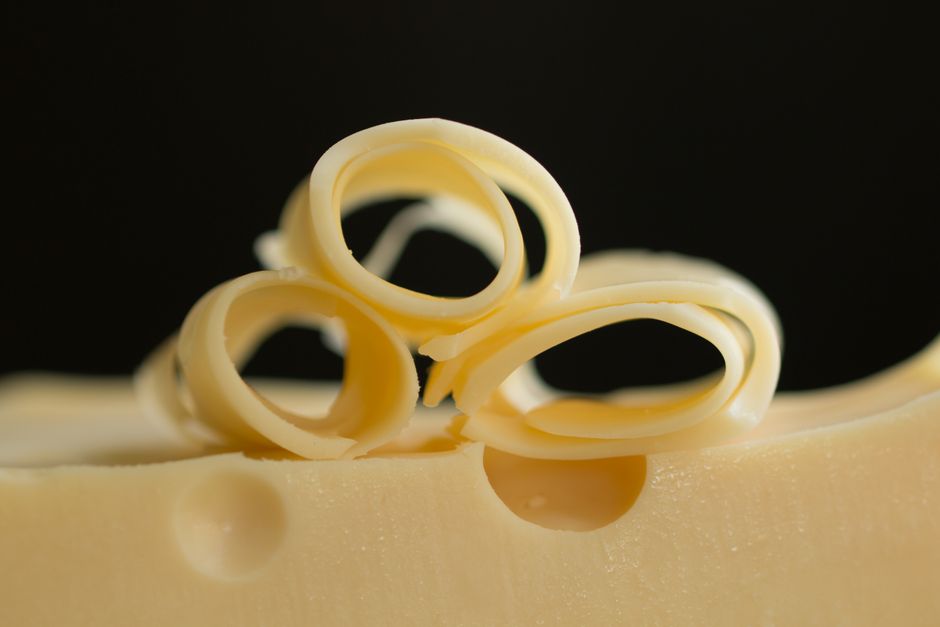
Publié le 21 septembre 2026.
Un rat peut manger du fromage, mais cette scène ne prouve pas qu’il le préfère. La légende a confondu aliment accessible, odeur repérable et choix répété. On ouvre le dossier.
Le fromage a surtout croisé le chemin des rats

Pour comprendre l’origine de cette image, il faut regarder du côté des caves et des garde-manger d’avant la généralisation du réfrigérateur. Les fromages à pâte dure se conservaient longtemps et restaient parfois à l’air libre. Un rat qui explorait ces endroits pouvait donc en trouver facilement. La présence répétée d’un rat près d’un fromage prouve d’abord que l’aliment était accessible.
Premier problème pour le mythe : voir un animal près d’une nourriture ne permet pas de mesurer sa préférence. Le fromage pouvait se trouver sur son trajet, dans un endroit calme ou simplement à portée de dents. La corrélation n’est pas la causalité, même avec une queue et des moustaches comme pièces à conviction.
Les livres pour enfants, les bandes dessinées et les dessins animés ont ensuite fixé l’association. La scène montre souvent une souris qui poursuit une tranche de fromage, puis l’image s’est étendue aux rats. Une représentation facile à mémoriser a fini par ressembler à une donnée de comportement animal. Une belle histoire, un mauvais dossier.
Un aliment mangé n’est pas forcément un aliment préféré

Dans les faits, les rats sont des omnivores généralistes. Selon ce que leur environnement offre, ils peuvent consommer des céréales, des graines, du pain, des fruits, des noix, des restes de repas, de la nourriture pour animaux et des aliments d’origine animale. Le fromage peut entrer dans leur alimentation sans occuper une place privilégiée.
Le choix dépend notamment de ce qui est disponible et facile à atteindre. Un sac de graines mal fermé, une gamelle laissée au sol ou des restes peuvent concurrencer un morceau de fromage. L’animal ne consulte pas une carte des grands crus avant de passer à table.
Approcher, goûter, revenir : trois mesures différentes
L’odeur d’un fromage peut attirer l’attention d’un rat et l’inciter à l’inspecter. Mais approcher, goûter et choisir régulièrement sont trois comportements différents. Un rat peut manger une bouchée, puis revenir vers une autre nourriture si elle est plus accessible ou mieux adaptée à son état du moment. Une consommation ponctuelle ne mesure pas une préférence durable.
Ce que mesurerait un vrai test, et non une scène de cuisine
Pour savoir si les rats choisissent réellement le fromage, il faudrait comparer plusieurs aliments dans des conditions équivalentes. Un protocole cohérent devrait :
- présenter le fromage et les autres aliments avec une quantité et un accès comparables;
- répéter l’observation avec plusieurs rats, car les préférences individuelles varient;
- mesurer les aliments approchés, goûtés et consommés, au lieu de retenir la seule première bouchée;
- tenir compte de la faim, de l’habitude alimentaire, de l’odeur et de la valeur énergétique des options proposées.
Une tranche posée dans une cuisine ne remplit aucune de ces conditions. Elle ne permet pas de savoir si le rat aurait choisi des graines, du pain, un fruit ou un reste placé à la même distance. Une seule scène ne constitue pas un test de préférence.
Une revue narrative publiée en 2026 dans Frontiers in Nutritionintitulée Neural mechanisms of food preference and reward processing: a review of multifaceted influencing factors and intervention strategiesdistingue le plaisir associé à un aliment, le likingde la motivation à l’obtenir, le wanting. Cette publication traite des mécanismes généraux de la préférence alimentaire et ne compare pas le fromage à d’autres aliments chez les rats. Elle rappelle néanmoins pourquoi une réaction à une odeur et une préférence stable ne doivent pas être confondues.
Pourquoi le mythe tient encore debout
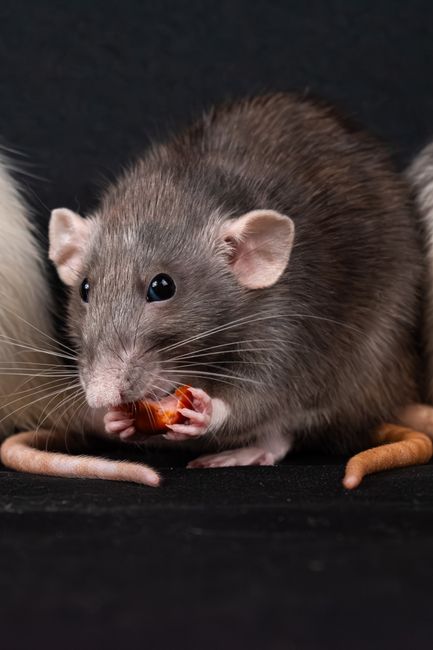
La légende transforme un comportement variable en une petite histoire immédiatement lisible : un rat, une cave, du fromage. À force de revoir la même scène, on la reconnaît, puis on la prend pour une preuve. C’est l’effet de répétition, aidé par le biais de disponibilité. Une image souvent vue devient familière, pas forcément exacte.
Le biais de confirmation renforce l’association. Celui qui s’attend à voir un rat attiré par le fromage remarquera l’animal près d’une assiette. Il prêtera moins attention aux passages devant les céréales, les graines ou les déchets. L’information qui confirme l’histoire reste en vitrine; les contre-exemples passent par la porte de service.
La légende repose aussi sur un transfert entre espèces. Les représentations populaires montrent souvent une souris, mais le public parle ensuite de rat, comme si les deux animaux partageaient automatiquement les mêmes choix alimentaires. Le jeu de téléphone arabe est lancé : un rongeur mange ce qu’il trouve, puis devient capable de reconnaître un comté à travers trois murs.
Le mythe est plus photogénique que la méthode. Comme pour d’autres récits zoologiques, une image frappante prend la place d’un test répété. Cela explique sa longévité, pas sa valeur scientifique.
Dans une cuisine, le fromage n’est pas le seul suspect

Retirer le fromage peut supprimer une source de nourriture, mais cela ne règle pas forcément la présence de rats. Si des aliments secs, des restes ou une gamelle restent accessibles, l’animal dispose encore de plusieurs options. La prévention vise l’ensemble des ressources disponibles, pas un aliment fétiche imaginaire.
- conserver les céréales, les graines et les aliments pour animaux dans des contenants fermés;
- nettoyer rapidement les miettes et les restes autour des zones de repas;
- fermer les poubelles et éviter de laisser une gamelle pleine toute la nuit;
- repérer les passages possibles et utiliser une méthode adaptée si les signes persistent.
Pour un rat domestique, le fromage peut rester une friandise occasionnelle, mais il ne remplace pas une alimentation adaptée. Là encore, accepter un aliment ne signifie ni en avoir besoin ni le préférer à tous les autres.
Sources et références scientifiques
- Adaptation and evaluation of a food preference assessment tool for older adults in geriatric care: the DYSPHAGING Preferences study protocol – PMC. BMJ open. DOI: 10.1136/bmjopen-2026-120395 · PMID: 42790906.
- 1.Rudnicka E, Napierała P, Podfigurna A, et al. The World Health Organization (WHO) approach to healthy ageing. Maturitas. 2020;139:6-11. doi: 10.1016/j.maturitas.2020.05.018. [DOI] [PMC free article] [PubMed] [Google Scholar]. doi:10.1016/j.maturitas.2020.05.018.
- Sire A, Ferrillo M, Lippi L, et al. Sarcopenic Dysphagia, Malnutrition, and Oral Frailty in Elderly: A Comprehensive Review. Nutrients. 2022;14:982. doi: 10.3390/nu14050982. [DOI] [PMC free article] [PubMed] [Google Scholar]. doi:10.3390/nu14050982.
- 3.Baugreet S, Hamill RM, Kerry JP, et al. Mitigating Nutrition and Health Deficiencies in Older Adults: A Role for Food Innovation? J Food Sci. 2017;82:848-55. doi: 10.1111/1750-3841.13674. [DOI] [PubMed] [Google Scholar]. doi:10.1111/1750-3841.13674.
- 4.Rusu A, Randriambelonoro M, Perrin C, et al. Aspects Influencing Food Intake and Approaches towards Personalising Nutrition in the Elderly. Population Ageing. 2020;13:239-56. doi: 10.1007/s12062-019-09259-1. [DOI] [Google Scholar]. doi:10.1007/s12062-019-09259-1.
- 5.Roman Viñas B, Ribas Barba L, Ngo J, et al. Projected prevalence of inadequate nutrient intakes in Europe. Ann Nutr Metab. 2011;59:84-95. doi: 10.1159/000332762. [DOI] [PubMed] [Google Scholar]. doi:10.1159/000332762.
- 6.Laureati M, Pagliarini E, Calcinoni O. Does the enhancement of chemosensory stimuli improve the enjoyment of food in institutionalized elderly people? J Sens Stud. 2008;23:234-50. doi: 10.1111/j.1745-459X.2008.00152.x. [DOI] [Google Scholar]. doi:10.1111/j.1745-459X.2008.00152.x.
- 7.Parekh AK, Goodman RA, Gordon C, et al. Managing multiple chronic conditions: a strategic framework for improving health outcomes and quality of life. Public Health Rep. 2011;126:460-71. doi: 10.1177/003335491112600403. [DOI] [PMC free article] [PubMed] [Google Scholar]. doi:10.1177/003335491112600403.
- 8.Baijens LW, Clavé P, Cras P, et al. European Society for Swallowing Disorders – European Union Geriatric Medicine Society white paper: oropharyngeal dysphagia as a geriatric syndrome. Clin Interv Aging. 2016;11:1403-28. doi: 10.2147/CIA.S107750. [DOI] [PMC free article] [PubMed] [Google Scholar]. doi:10.2147/CIA.S107750.
- lafsky PC, Mouadeb DA, Rees CJ, et al. Validity and reliability of the Eating Assessment Tool (EAT-10) Ann Otol Rhinol Laryngol. 2008;117:919-24. doi: 10.1177/000348940811701210. [DOI] [PubMed] [Google Scholar]. doi:10.1177/000348940811701210.
- 10.Durlach O, Tripoz-Dit-Masson S, Massé-Deragon N, et al. Feasibility of a screening and prevention procedure for risks associated with dysphagia in older patients in geriatric units: the DYSPHAGING pilot study protocol. BMJ Open. 2024;14:e081333. doi: 10.1136/bmjopen-2023-081333. [DOI] [PMC free article] [PubMed] [Google Scholar]. doi:10.1136/bmjopen-2023-081333.
- 11.Drevet S, Gavazzi G. Dénutrition du sujet âgé. La Revue de Médecine Interne. 2019;40:664-9. doi: 10.1016/j.revmed.2019.05.003. [DOI] [PubMed] [Google Scholar]. doi:10.1016/j.revmed.2019.05.003.
- 12.Yannakoulia M, Mamalaki E, Anastasiou CA, et al. Eating habits and behaviors of older people: Where are we now and where should we go? Maturitas. 2018;114:14-21. doi: 10.1016/j.maturitas.2018.05.001. [DOI] [PubMed] [Google Scholar]. doi:10.1016/j.maturitas.2018.05.001.
- Neural mechanisms of food preference and reward processing: a review of multifaceted influencing factors and intervention strategies – PMC. Frontiers in nutrition. DOI: 10.3389/fnut.2026.1823431 · PMID: 42039901.
- 1.Avagimyan A, Pogosova N, Fogacci F, Aghajanova E, Djndoyan Z, Patoulias D, et al. Triglyceride-glucose index (TyG) as a novel biomarker in the era of cardiometabolic medicine. Int J Cardiol. (2025) 418:132663. doi: 10.1016/j.ijcard.2024.132663 [DOI] [PubMed] [Google Scholar]. doi:10.1016/j.ijcard.2024.132663.
- 2.Eckel RH, Grundy SM, Zimmet PZ. The metabolic syndrome. Lancet. (2005) 365:1415-28. doi: 10.1016/S0140-6736(05)66378-7, [DOI] [PubMed] [Google Scholar]. doi:10.1016/S0140-6736(05)66378-7.
- 3.Klop B, Elte JWF, Cabezas MC. Dyslipidemia in obesity: mechanisms and potential targets. Nutrients. (2013) 5:1218-40. doi: 10.3390/nu5041218, [DOI] [PMC free article] [PubMed] [Google Scholar]. doi:10.3390/nu5041218.
- 4.Odegaard JI, Chawla A. Alternative macrophage activation and metabolism. Annu Rev Pathol. (2011) 6:275-97. doi: 10.1146/annurev-pathol-011110-130138 [DOI] [PMC free article] [PubMed] [Google Scholar]. doi:10.1146/annurev-pathol-011110-130138.
- 5.Powell-Wiley TM, Poirier P, Burke LE, Després J-P, Gordon-Larsen P, Lavie CJ, et al. American Heart Association Council on lifestyle and Cardiometabolic health; council on cardiovascular and stroke nursing; council on clinical cardiology; council on epidemiology and prevention; stroke council. Obesity and cardiovascular disease: a scientific statement from the American Heart Association. Circulation. (2021) 143:e984-e1010. doi: 10.1161/CIR.0000000000000973 [DOI] [PMC free article] [PubMed] [Go. doi:10.1161/CIR.0000000000000973.
- 6.Anastasiou IA, Kounatidis D, Vallianou NG, Skourtis A, Dimitriou K, Tzivaki I, et al. Beneath the surface: the emerging role of ultra-processed foods in obesity-related cancer. Curr Oncol Rep. (2025) 27:390-414. doi: 10.1007/s11912-025-01654-6, [DOI] [PMC free article] [PubMed] [Google Scholar]. doi:10.1007/s11912-025-01654-6.
- 7.Greenway FL. Physiological adaptations to weight loss and factors favouring weight regain. Int J Obes. (2015) 39:1188-96. doi: 10.1038/ijo.2015.59, [DOI] [PMC free article] [PubMed] [Google Scholar]. doi:10.1038/ijo.2015.59.
- 8.Heber D. An integrative view of obesity. Am J Clin Nutr. (2010) 91:280S-3S. doi: 10.3945/ajcn.2009.28473B, [DOI] [PMC free article] [PubMed] [Google Scholar]. doi:10.3945/ajcn.2009.28473B.
- 9.Lobstein T, Baur L, Uauy R, IASO International Obesity TaskForce. Obesity in children and young people: a crisis in public health. Obes Rev. (2004) 5:4-104. doi: 10.1111/j.1467-789X.2004.00133.x, [DOI] [PubMed] [Google Scholar]. doi:10.1111/j.1467-789X.2004.00133.x.
- 10.Appelhans BM. Neurobehavioral inhibition of reward-driven feeding: implications for dieting and obesity. Obesity. (2009) 17:640-7. doi: 10.1038/oby.2008.638, [DOI] [PubMed] [Google Scholar]. doi:10.1038/oby.2008.638.
- 11.Coccurello R, Maccarrone M. Hedonic eating and the “delicious circle”: from lipid-derived mediators to brain dopamine and back. Front Neurosci. (2018) 12:271. doi: 10.3389/fnins.2018.00271, [DOI] [PMC free article] [PubMed] [Google Scholar]. doi:10.3389/fnins.2018.00271.
- 12.Kaye W. Neurobiology of anorexia and bulimia nervosa. Physiol Behav. (2008) 94:121-35. doi: 10.1016/j.physbeh.2007.11.037, [DOI] [PMC free article] [PubMed] [Google Scholar]. doi:10.1016/j.physbeh.2007.11.037.
- Patient‑Reported Outcome Measures for Food Preference in Adults: A COSMIN‑Based Systematic Review – PMC. Journal of multidisciplinary healthcare. DOI: 10.2147/jmdh.s633973 · PMID: 42703565.
- rthoud HR, Morrison CD, Ackroff K, et al. Learning of food preferences: mechanisms and implications for obesity &metabolic diseases. Int J Obes Lond. 2021;45(10):2156-15. doi: 10.1038/s41366-021-00894-3 [DOI] [PMC free article] [PubMed] [Google Scholar]. doi:10.1038/s41366-021-00894-3.
- 2.Spinelli S, Monteleone E. Food Preferences and Obesity. Endocrinol Metab. 2021;36(2):209-219. doi: 10.3803/EnM.2021.105 [DOI] [PMC free article] [PubMed] [Google Scholar]. doi:10.3803/EnM.2021.105.
- 3.Dominic O, Nuno C, Pauline O, et al. Trait-like stability of sweet food preferences during diet-induced weight loss in women with overweight and obesity: evidence from the Leeds foodpreference questionnaire. Physiol Behav. 2025;302:115098. doi: 10.1016/j.physbeh.2025.115098 [DOI] [PubMed] [Google Scholar]. doi:10.1016/j.physbeh.2025.115098.
- salvo KB, Jones TM, Peabody J, et al. Health care expenditure prediction with a single item, self-rated health measure. Med Care. 2009;47(4):440-447. doi: 10.1097/MLR.0b013e318190b716 [DOI] [PubMed] [Google Scholar]. doi:10.1097/MLR.0b013e318190b716.
- 5.Steptoe A, Pollard TM, Wardle J. Development of a measure of the motives underlying the selection of food: the food choice questionnaire. Appetite. 1995;25(3):267-284. doi: 10.1006/appe.1995.0061 [DOI] [PubMed] [Google Scholar]. doi:10.1006/appe.1995.0061.
- 6.Geiselman PJ, Anderson AM, Dowdy ML, et al. Reliability and validity of a macronutrient self-selection paradigm and a food preference questionnaire. Physiol Behav. 1998;63(5):919-928. doi: 10.1016/S0031-9384(97)00542-8 [DOI] [PubMed] [Google Scholar]. doi:10.1016/S0031-9384(97)00542-8.
- 7.Juarascio A, Forman E, Timko CA, et al. The development and validation of the food craving acceptance and action questionnaire (FAAQ). Eating Behav. 2011;12(3):182-187. doi: 10.1016/j.eatbeh.2011.04.008 [DOI] [PubMed] [Google Scholar]. doi:10.1016/j.eatbeh.2011.04.008.
- 8.Roudsari AH, Vedadhir AA, Amiri P, et al. Developing and validating food choice determinants questionnaire: an instrument for exploring food choice determinants in Iran. Int J Prevent Med. 2020;11(1):141. doi: 10.4103/ijpvm.IJPVM_250_19 [DOI] [PMC free article] [PubMed] [Google Scholar]. doi:10.4103/ijpvm.IJPVM_250_19.
- 9.Elsman EBM, Mokkink LB, Terwee CB, et al. Guideline for reporting systematic reviews of outcome measurement instruments (OMIs): PRISMA-COSMIN for OMIs 2024. J Clin Epidemiol. 2024;173:111422. doi: 10.1016/j.jclinepi.2024.111422 [DOI] [PubMed] [Google Scholar]. doi:10.1016/j.jclinepi.2024.111422.
- 10.Mokkink LB, Elsman EBM, Terwee CB. COSMIN risk of bias checklist version 3.0. Available from: Accessed August 25, 2026..
- 11.Mokkink LB, Elsman EBM, Terwee CB. COSMIN guideline for systematic reviews of patient-reported outcome measures version 2.0. Qual Life Res. 2024;33(11):2929-2939. doi: 10.1007/s11136-024-03761-6 [DOI] [PMC free article] [PubMed] [Google Scholar]. doi:10.1007/s11136-024-03761-6.
- 12.COSMIN. Guideline for systematic reviews of outcome measurement instruments. Available from: Accessed August 25, 2026..
- Altered eating experience during GLP-1 receptor agonist therapy: a sensory-liking-wanting framework for food preference and nutritional behaviour – PMC. Frontiers in nutrition. DOI: 10.3389/fnut.2026.1870484 · PMID: 42539396.
- 1.Collaborators GBDAB. Global, regional, and national prevalence of adult overweight and obesity, 1990-2021, with forecasts to 2050: a forecasting study for the global burden of disease study 2021. Lancet. (2025) 405:813-38. doi: 10.1016/S0140-6736(25)00355-1, [DOI] [PMC free article] [PubMed] [Google Scholar]. doi:10.1016/S0140-6736(25)00355-1.
- 2.Kong Y, Yang H, Nie R, Zhang X, Zuo F, Zhang H, et al. Obesity: pathophysiology and therapeutic interventions. Mol Biomed. (2025) 6:25. doi: 10.1186/s43556-025-00264-9, [DOI] [PMC free article] [PubMed] [Google Scholar]. doi:10.1186/s43556-025-00264-9.
- iedrichsen M, Breitschaft A, Tadayon S, Wizert A, Skovgaard D. The effect of semaglutide 2.4 mg once weekly on energy intake, appetite, control of eating, and gastric emptying in adults with obesity. Diabetes Obes Metab. (2021) 23:754-62. doi: 10.1111/dom.14280, [DOI] [PMC free article] [PubMed] [Google Scholar]. doi:10.1111/dom.14280.
- 4.Davies M, Færch L, Jeppesen OK, Pakseresht A, Pedersen SD, Perreault L, et al. Semaglutide 2·4 mg once a week in adults with overweight or obesity, and type 2 diabetes (STEP 2): a randomised, double-blind, double-dummy, placebo-controlled, phase 3 trial. Lancet. (2021) 397:971-84. doi: 10.1016/s0140-6736(21)00213-0, [DOI] [PubMed] [Google Scholar]. doi:10.1016/s0140-6736(21)00213-0.
- 5.Tronieri JS, Wadden TA, Walsh O, Berkowitz RI, Alamuddin N, Gruber K, et al. Effects of liraglutide on appetite, food preoccupation, and food liking: results of a randomized controlled trial. Int J Obes. (2019) 44:353-61. doi: 10.1038/s41366-019-0348-6, [DOI] [PMC free article] [PubMed] [Google Scholar]. doi:10.1038/s41366-019-0348-6.
- 6.Weiskirchen R, Lonardo A. Semaglutide from bench to bedside: the experimental journey towards a transformative therapy for diabetes, obesity and metabolic liver disorders. Med Sci (Basel). (2025) 13:265. doi: 10.3390/medsci13040265, [DOI] [PMC free article] [PubMed] [Google Scholar]. doi:10.3390/medsci13040265.
- 7.Neumann NJ, Fasshauer M. Added flavors: potential contributors to body weight gain and obesity? BMC Med. (2022) 20:417. doi: 10.1186/s12916-022-02619-3, [DOI] [PMC free article] [PubMed] [Google Scholar]. doi:10.1186/s12916-022-02619-3.
- 8.Jebeile H, Danielsen YS, Sumithran P, Lorien S, Jardine IR, Baur LA, et al. GLP-1 receptor agonist medications for obesity and type 2 diabetes treatment: a rapid review of changes in eating behaviors and eating disorder risk. Obes Rev. (2026) 27:e70049. doi: 10.1111/obr.70049, [DOI] [PubMed] [Google Scholar]. doi:10.1111/obr.70049.
- ttadapura S, Dowling K, Jablon K, Al-Humadi AW, le Roux CW. Changes in food preferences and ingestive behaviors after glucagon-like peptide-1 analog treatment: techniques and opportunities. Int J Obes. (2025) 49:418-26. doi: 10.1038/s41366-024-01500-y, [DOI] [PMC free article] [PubMed] [Google Scholar]. doi:10.1038/s41366-024-01500-y.
- 10.Khan R, Doty RL. GLP-1 receptor agonists significantly impair taste function. Physiol Behav. (2025) 291:114793. doi: 10.1016/j.physbeh.2024.114793, [DOI] [PubMed] [Google Scholar]. doi:10.1016/j.physbeh.2024.114793.
- 11.Morales I, Berridge KC. 'Liking' and 'wanting' in eating and food reward: brain mechanisms and clinical implications. Physiol Behav. (2020) 227:113152. doi: 10.1016/j.physbeh.2020.113152, [DOI] [PMC free article] [PubMed] [Google Scholar]. doi:10.1016/j.physbeh.2020.113152.
- 12.Jones LA, Brierley DI. GLP-1 and the neurobiology of eating control: recent advances. Endocrinology. (2025) 166:bqae167. doi: 10.1210/endocr/bqae167, [DOI] [PMC free article] [PubMed] [Google Scholar]. doi:10.1210/endocr/bqae167.
- Leon. Les rats sont-ils vraiment attirés par le fromage?. 2026.
- Dominic O, Nuno C, Pauline O, Kristine B, Mark H, Catherine G, Graham F.. Trait-like stability of sweet food preferences during diet-induced weight loss in women with overweight and obesity: Evidence from the Leeds food preference questionnaire.. 2025. doi:10.1016/j.physbeh.2025.115098.
- Evaluating the Viability of Virtual Reality for Children’s Food Choice Research: Comparative Mixed Methods Study – PMC. doi:10.2196/88476.
- 1.Khot RA, Mueller FF. Human-food interaction. Found Trends Hum Comput Interact. 2019 Aug 29;12(4):238-415. doi: 10.1561/1100000074. doi. [DOI] [Google Scholar]. doi:10.1561/1100000074.
- 2.Obrist M, Comber R, Subramanian S, Piqueras-Fiszman B, Velasco C, Spence C. Temporal, affective, and embodied characteristics of taste experiences. CHI ’14: Proceedings of the SIGCHI Conference on Human Factors in Computing Systems; Apr 26 to May 1, 2014; Toronto, Canada. Presented at. doi. [DOI] [Google Scholar].
- 3.Khot RA, Aggarwal D, Pasumarthy N. Understanding screen-based dining practices through the lens of mindful eating. CHI ’22: Proceedings of the 2022 CHI Conference on Human Factors in Computing Systems; Apr 29 to May 5, 2022; New Orleans, LA. Presented at. doi. [DOI] [Google Scholar].
- 4.Thomaz E, Essa IA, Abowd GD. Mobile Health. Springer International Publishing; 2017. Challenges and opportunities in automated detection of eating activity; pp. 151-174. doi. [DOI] [Google Scholar].
- 5.Vu T, Lin F, Alshurafa N, Xu W. Wearable food intake monitoring technologies: a comprehensive review. Computers. 2017;6(1):4. doi: 10.3390/computers6010004. doi. [DOI] [Google Scholar]. doi:10.3390/computers6010004.
- 6.Ferdous HS, Vetere F, Davis H, et al. Celebratory technology to orchestrate the sharing of devices and stories during family mealtimes. CHI ’17: Proceedings of the 2017 CHI Conference on Human Factors in Computing Systems; May 6-11, 2017; Denver, CO. Presented at. doi. [DOI] [Google Scholar].
- 7.O’Hara K, Helmes J, Sellen A, Harper R, ten Bhömer M, van den Hoven E. Food for talk: phototalk in the context of sharing a meal. Hum Comput Interact. 2012;27(1-2):124-150. doi: 10.1080/07370024.2012.656069. doi. [DOI] [Google Scholar]. doi:10.1080/07370024.2012.656069.
- 8.Tai YL, Aggarwal D, Khot RA. Reconnecting with food through dining play. CHI PLAY ’20: Proceedings of the Annual Symposium on Computer-Human Interaction in PLAY; Nov 2-4, 2020; Virtual Event, Canada. pp. 334-348. Presented at. doi. [DOI] [Google Scholar].
- 9.Arnold P, Khot RA. “You Better Eat to Survive”: exploring cooperative eating in virtual reality games. TEI ’18: Proceedings of the Twelfth International Conference on Tangible, Embedded, and Embodied Interaction; Mar 18-21, 2018; Stockholm, Sweden. Presented at. doi. [DOI] [Google Scholar].
- 10.Khot RA, Aggarwal D, Yi JY, Prohasky D. Guardian of the snacks: toward designing a companion for mindful snacking. Multimodality Soc. 2021 Jun;1(2):153-173. doi: 10.1177/26349795211007092. doi. [DOI] [Google Scholar]. doi:10.1177/26349795211007092.
- Melissa Thornberry. Do Rats Really Like Cheese? The Surprising Truth – Berry Patch Farms. 2026.
- administrateur. Será que ratos realmente gostam de queijo?. 2026.
- Melissa Witherell, DVM. Do Rats Like Cheese? Everything a Pet Parent Should Know. 2024.
